John Agard
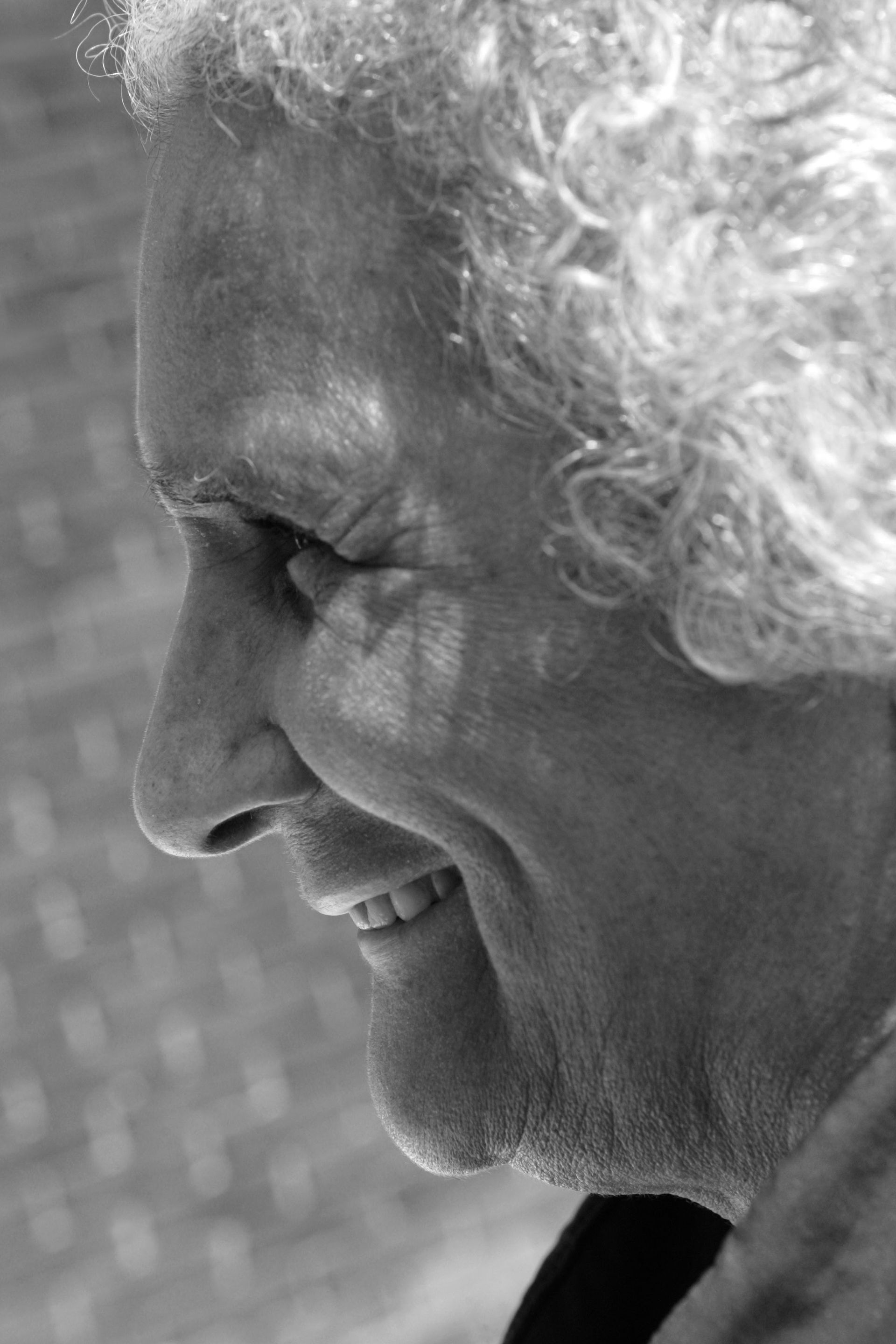
A Guyanese-born British poet, playwright and children’s writer, known for live performance and for widely taught poems such as “Half-Caste” and “Checking Out Me History”. He lives in Lewes, which makes him one of Sussex’s best-known literary voices, with a reach far beyond the county.
If you live in Brighton and Hove, there is a simple way to think about Agard. He is not only a name on a school syllabus. He is a working writer who turns up in Sussex venues, speaks directly to audiences, and keeps asking big questions in fresh ways: who gets to tell the story, whose voice is heard, and what happens when language is used to label people.
From Guyana to Lewes
Agard was born on 21 June 1949 in what was then British Guiana, now Guyana, and grew up in Georgetown. Before coming to Britain, he worked in roles that kept him close to words and people, including as a teacher, librarian, journalist and sub editor for the Guyana Sunday Chronicle.
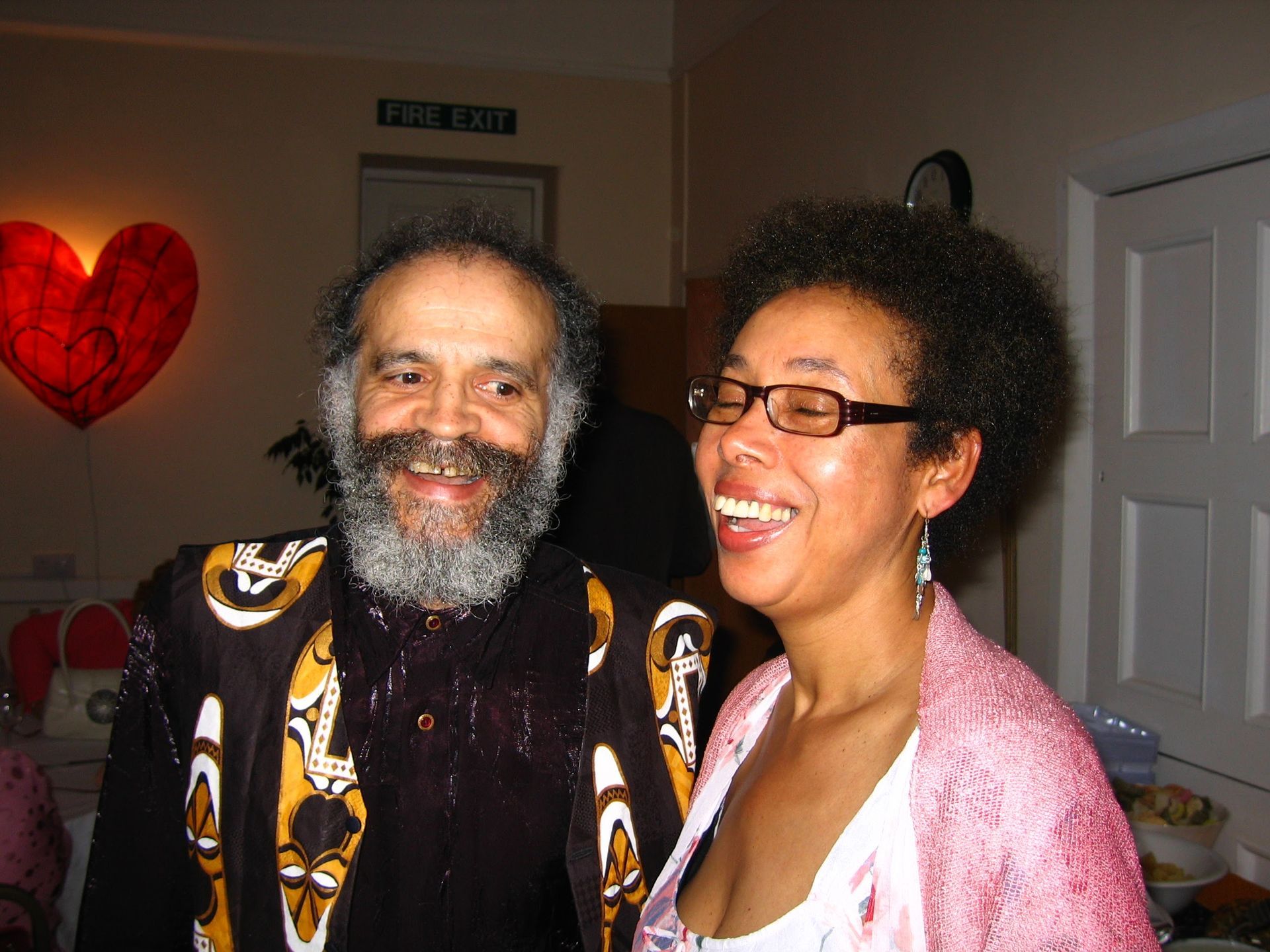
In 1977, he moved to Britain with his partner, the poet Grace Nichols. He first settled in Ironbridge, Shropshire, and later moved to Lewes in East Sussex, where he still lives. That move matters for this site, because it places a major national voice right on Brighton’s doorstep. Read more about
Grace Nichols here.
A voice many people first meet at school
Many readers first meet Agard in the classroom. Poems such as “Half-Caste” and “Checking Out Me History” are well known on the GCSE English syllabus.
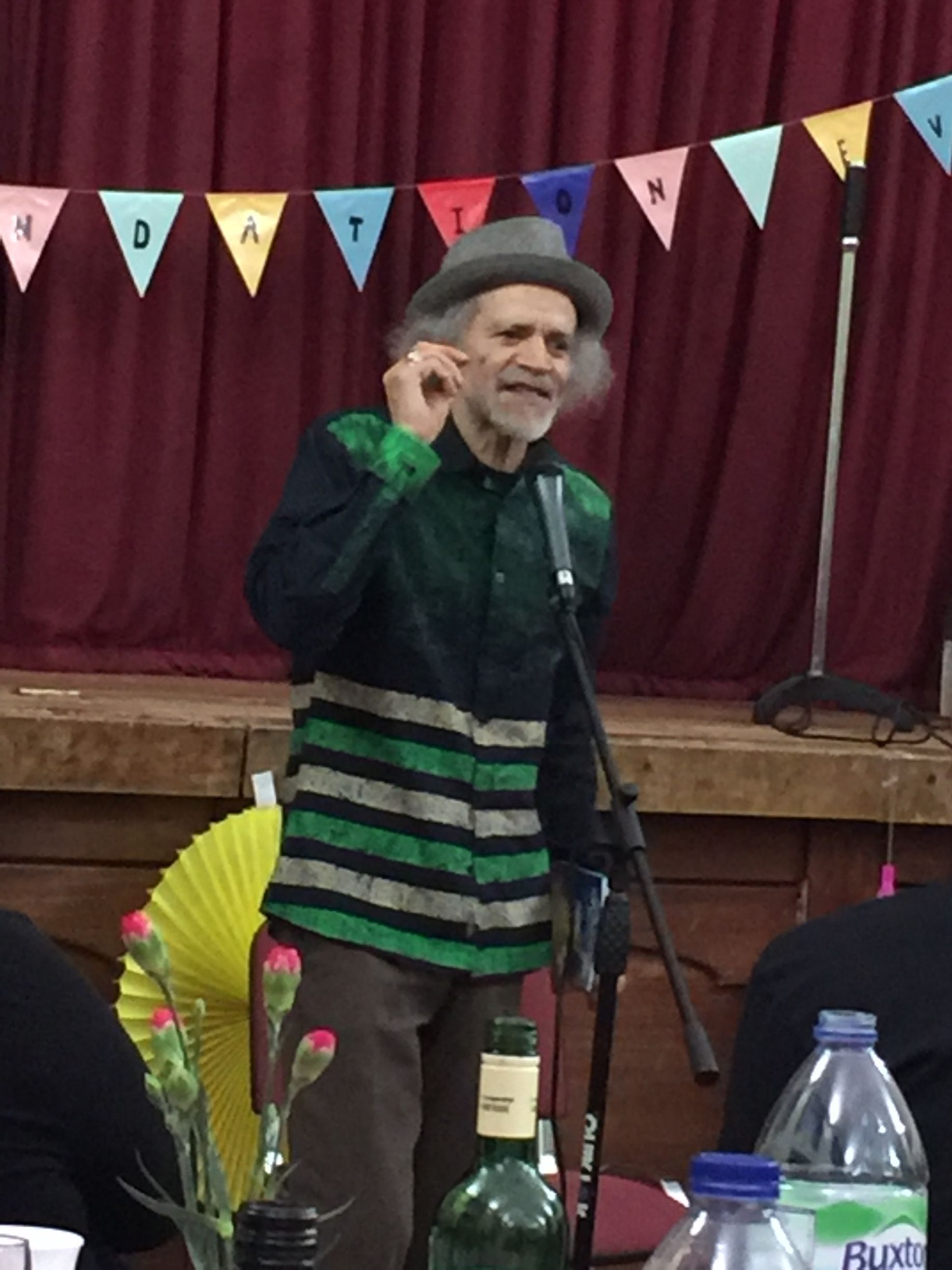
It is easy to miss that these poems are written to be heard. Agard is a performer, and his rhythm and humor land best in his live readings.
Sussex stages and Brighton connections
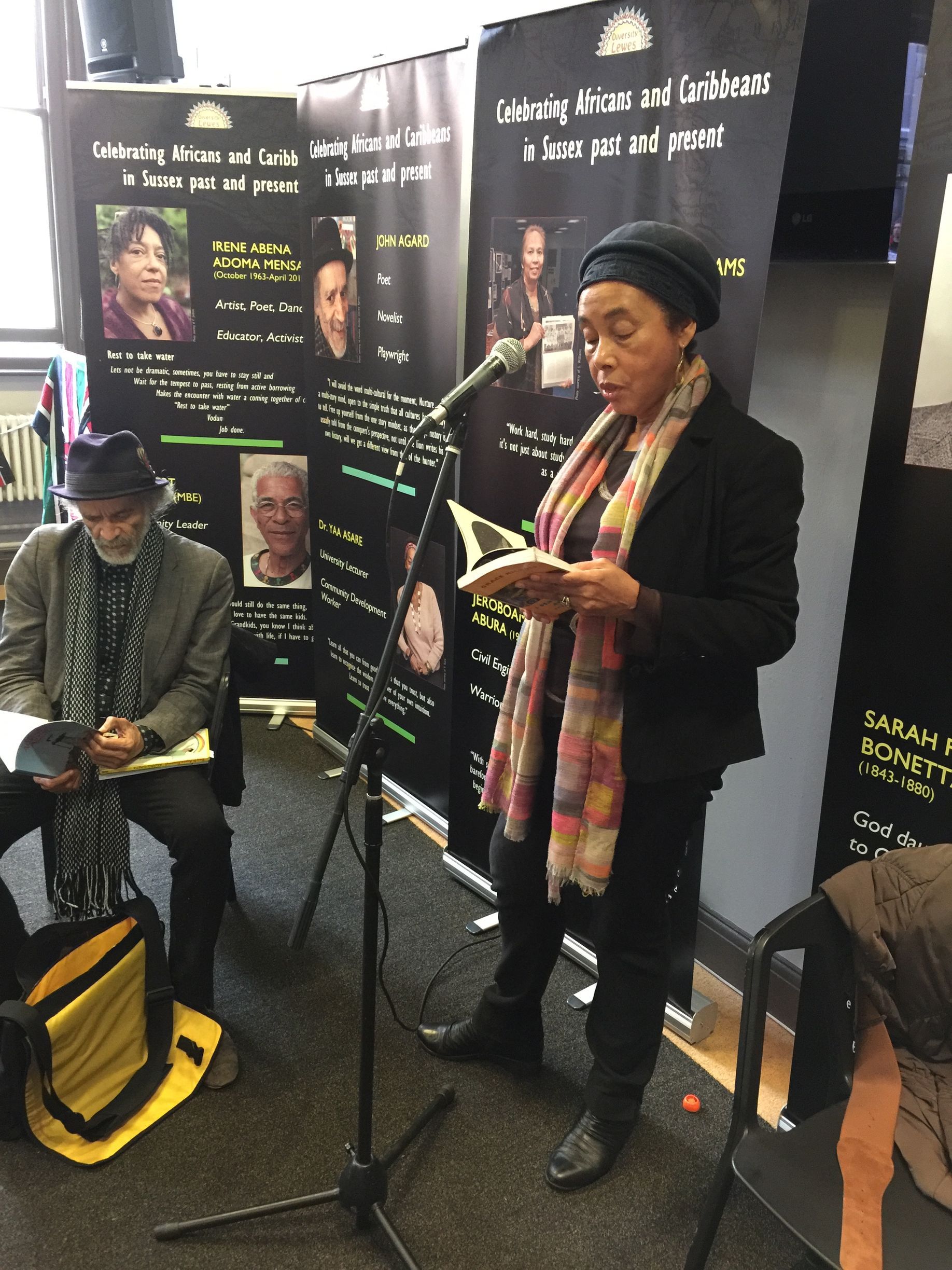
Agard appears regularly across Sussex, including at Brighton venues such as Brighton Dome. Local schools have also brought pupils to hear him speak, often linked to GCSE study, which turns a set text into a living voice.
His work also crosses into music and theatre. He wrote lyrics for “Dead Head”, an offbeat requiem premiered at the Brighton Early Music Festival in 2010. It is a useful reminder that his writing is not limited to page poetry. It is built to travel across forms, voices, and audiences.
In Lewes, he launched his collection “Border Zone” at All Saints Centre in 2022 as part of Lewes Live Literature. That is the sort of local detail that helps place him in Sussex life, not just in national awards lists.
Why his work matters here
Agard’s writing is often direct, but never simple-minded. He uses voice and accent as creative tools. He also questions official versions of history and identity, while keeping the human tone close by.
He has also spent many years as a visiting reader and speaker, including work with the Commonwealth Institute, which took him into schools across the UK. That long thread of education work helps explain why his poems are familiar to so many and why hearing him in person can feel like meeting a voice you already know.
Awards that show his national standing
Agard’s local base does not mean local impact only. His recognition includes:
- Queen’s Gold Medal for Poetry (2012)
- Paul Hamlyn Award for Poetry (1997) and Cholmondeley Award (2004)
- BookTrust Lifetime Achievement Award (2021) for his contribution to children’s literature
- Fellow of the Royal Society of Literature
Related stories
Further reading and listening
Title image credit: NDLA